Eco-Friendly Approaches: How E-Waste Recycling Services Are Preserving Our Planet
Electronic waste presents serious dangers to the environment, as abandoned electronic devices commonly carry harmful materials. These toxic materials have the potential to taint soil and water sources, resulting in widespread environmental harm. E-waste recycling services present a viable solution. They serve the dual purpose of reclaiming precious materials and reducing contamination. Understanding how these services operate and their impact on communities is essential. The journey towards effective e-waste management raises critical questions about individual responsibility and collective action. What measures can be pursued from this point onward?
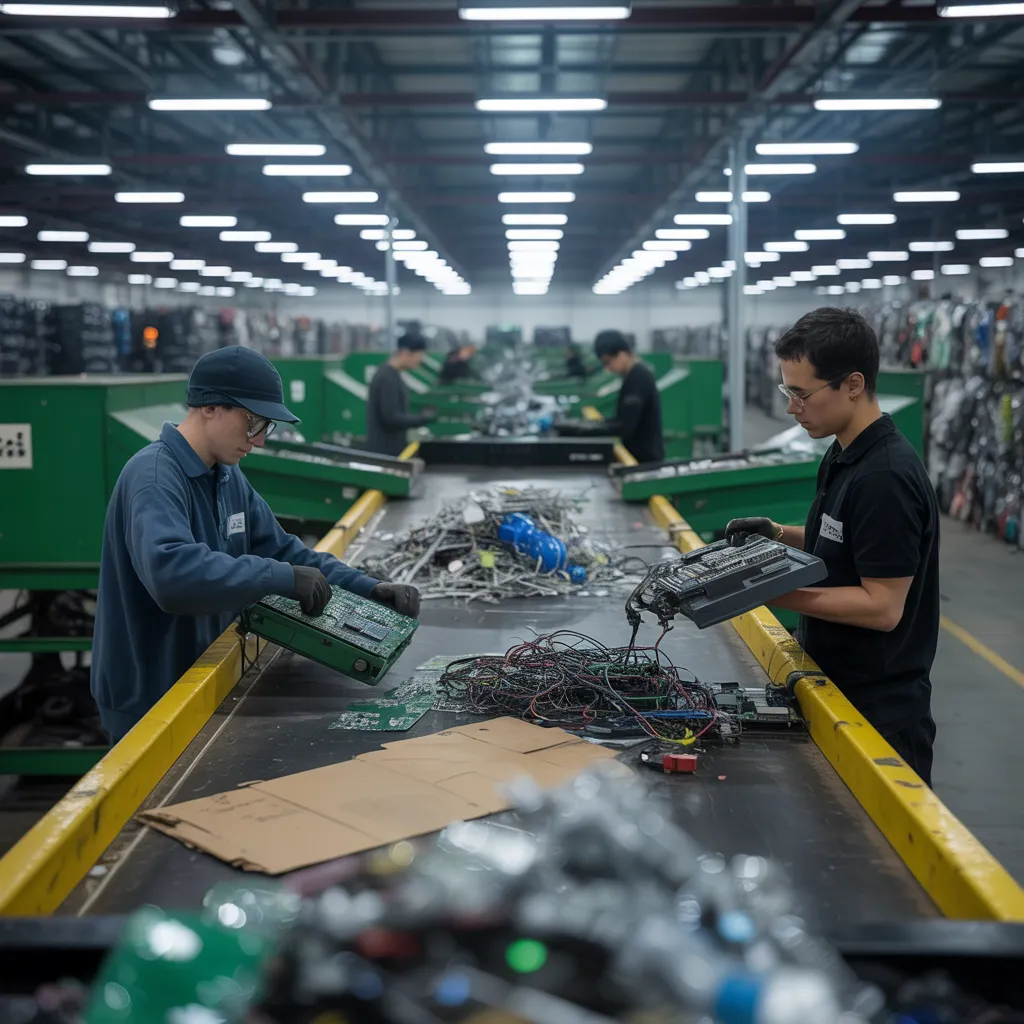
Why E-Waste Is Bad for the Planet
Even though technological advancements improve modern life, electronic waste presents considerable environmental hazards. Abandoned electronic gadgets, often containing dangerous compounds like cadmium, lead, and mercury, may release harmful substances into groundwater and soil, presenting dangers to human health and ecosystems. The rapid pace of technological advancement contributes to increased consumer turnover of electronics, intensifying the growing problem of e-waste.
Landfills, already burdened with waste, struggle to accommodate the growing volumes of discarded gadgets. Burning, an alternative disposal approach, discharges toxic contaminants into the air, worsening overall air quality. Moreover, poor recycling procedures can cause e-waste to be sent to developing regions, where employees may disassemble electronics without sufficient safety precautions, leaving them vulnerable to harmful substances. This ongoing cycle of carelessness and inadequate management emphasizes the pressing necessity for responsible recycling initiatives that can lessen the harmful consequences of e-waste on our world.
Understanding E-Waste and Its Significance
E-waste, or electronic waste, comprises discarded electronic devices like smartphones, computers, and televisions that have reached the end of their useful life. This increasingly prevalent form of waste is important because of its swift buildup, fueled by innovation in technology and shifting consumer habits. As more devices become obsolete, the ecological consequences become more pronounced, with dangerous elements including lead, mercury, and cadmium threatening both ecosystems and public health.
The importance of addressing e-waste lies not only in mitigating these hazards but also in recognizing the valuable materials it contains. Valuable metals and rare earth materials can be extracted and repurposed, lessening the demand for mining and preserving natural resources. By understanding e-waste and its implications, individuals and organizations can make informed decisions about disposal and recycling, ultimately contributing to a more sustainable future. Responsible management of e-waste plays a key role in supporting a circular economy and championing environmental stewardship.
How the E-Waste Recycling Process Works
The recycling of e-waste encompasses an organized procedure designed to recover valuable materials while minimizing environmental impact. To begin, discarded electronics are retrieved and sent to dedicated processing centers. After reaching the facility, the equipment is meticulously organized to separate hazardous components from recyclable materials.
Next, technicians take apart the items, removing plastics, metals, and glass. This step is critical, as it makes possible the extraction of high-value metals like copper, gold, and silver, which may be utilized in new electronic devices.
Subsequently, the divided materials are treated with sophisticated techniques, such as chemical treatments and shredding, to cleanse them for reuse.
Finally, the leftover hazardous waste is handled with responsibility, complying with eco-friendly standards. This multi-step approach not only conserves resources but also reduces the dangers connected to unsafe e-waste handling, guaranteeing a greener future for the consumption of electronics.
The Benefits of E-Waste Recycling for You and Your Community
Although it often goes unnoticed, the benefits of e-waste recycling extend beyond personal convenience to positively impact entire communities. By properly recycling electronic waste, individuals play a role in creating a healthier environment, decreasing hazardous materials that can seep into soil and water. This responsible method helps preserve local ecosystems and supports public health.
Moreover, the recycling of e-waste encourages the creation of jobs in communities. Community recycling operations commonly require workers for various operations, including collection and processing, thereby providing employment opportunities within the community. This not only strengthens the regional economy but also fosters community involvement in eco-friendly practices.
Additionally, knowledge about e-waste recycling may result in community outreach programs, empowering residents to pursue greener alternatives. By engaging with e-waste recycling programs, individuals nurture a culture of sustainability, encouraging others to join the movement. Ultimately, the cumulative impact of these actions can result in a more strong and environmentally aware community.
Tips for Choosing an E-Waste Recycling Service
Choosing the right e-waste disposal service is crucial for ensuring that electronic refuse is handled responsibly and sustainably. To begin, people should confirm the company's accreditations, such as e-Stewards or R2, which indicate adherence to professional guidelines for secure waste disposal procedures. It is equally important to examine the provider's credibility by reading customer reviews and obtaining referrals from reliable sources.
Furthermore, transparency in the recycling process is vital. A dependable service should provide clear information about how e-waste is processed and what happens to the materials. Moreover, assessing the variety of services available can be advantageous; certain providers may offer collection services or present rewards for recycling.
In addition, familiarizing yourself with regional rules concerning e-waste disposal may further shape the choice of disposal method. When these considerations are given priority, consumers can play a role in effective e-waste management while supporting sustainable environmental efforts.
How You Can Get Involved in E-Waste Recycling?
Getting involved with e-waste recycling often starts at the local level, where community recycling hubs regularly supply essential services for proper disposal. Additionally, joining community awareness campaigns can amplify efforts to inform others regarding the importance of ethical e-waste practices. Such efforts not only advance environmental sustainability but also build a collective sense of stewardship of the environment.
Local Recycling Centers
A wide range of community recycling facilities serve a vital function in recycling electronic waste, providing communities with accessible options to dispose of Read on electronic waste responsibly. These hubs welcome a selection of electronic devices, including aging computers, cell phones, and television sets, verifying that toxic materials are disposed of safely. The majority of facilities employ knowledgeable personnel who support individuals in understanding proper disposal practices, highlighting the value of recycling rather than landfilling. Moreover, numerous facilities provide planned drop-off gatherings or set collection days, allowing residents to take part with ease. Through the use of these community services, individuals contribute to a circular economy, decreasing environmental damage and advancing sustainable approaches. Partnering with these facilities encourages communities to fight e-waste pollution decisively.
Community Outreach Campaigns
Nearby organizations, schools, and enterprises can collaborate to host events that promote e-waste collection drives. Volunteers can play a pivotal role in raising awareness, sharing informational resources, and connecting with local residents. As a result of these combined actions, local inhabitants gain greater awareness and encouragement to properly recycle their e-waste, thus playing a meaningful role in creating a more environmentally responsible future.
Questions We Often Receive
Which Types of Electronics Are Recyclable?
Numerous electronics are able to be recycled, including smartphones, computers, laptops, televisions, printers, and gaming consoles. Furthermore, accessories such as keyboards, mice, and batteries are also suitable for recycling, supporting eco-friendly conservation initiatives.
Are There Fees Involved With E-Waste Recycling?
Yes, e-waste disposal can include charges, subject to the service provider. Some service centers charge fees for pickup or handling, while other facilities offer free services, typically funded by the sale of reclaimed components.
What Are the Benefits of E-Waste Recycling for Businesses?
Organizations can gain from e-waste recycling by minimizing disposal costs, strengthening their ecological standing, complying with regulations, extracting valuable resources, and creating potential earnings via resale, thus supporting a greener and more sustainable operational framework.
What Occurs with Data on Recycled Devices?
Data from refurbished equipment is often completely removed or obliterated throughout the recycling process. This guarantees private details is kept safe, preventing unauthorized access while permitting components to be repurposed securely and sustainably within new applications.
Are Broken Electronics Eligible for Recycling?
Yes, damaged electronics can be recycled. Numerous collection points receive non-functioning devices, providing safe disposal and retrieval of useful materials. This helps lower harm to the environment while supporting responsible recycling practices to manage electrical waste responsibly.